Tanzania’s 2026/27 Sesame Market: Why International Buyers Should Secure Supply Before the Window Narrows
Market Insight | Tanzamerchants Commodities Limited
The 2026/27 Tanzanian sesame marketing season is now in full swing, presenting international importers with an attractive opportunity to source one of East Africa’s most sought-after natural white sesame crops. With fresh harvests entering the market through the Tanzania Mercantile Exchange (TMX) and licensed auction centers, exporters are actively building shipment programs for buyers across Asia, the Middle East, Europe, and other international markets.
Yet this season is unfolding under a different global backdrop. While Tanzania is offering a fresh crop with strong export potential, the international sesame market remains well supplied, giving buyers greater negotiating power than in recent years. For importers, success this season will depend less on waiting for dramatic price movements and more on securing quality cargo early, managing logistics efficiently, and taking advantage of Tanzania’s unique harvest calendar.
Fresh Crop Enters the Market
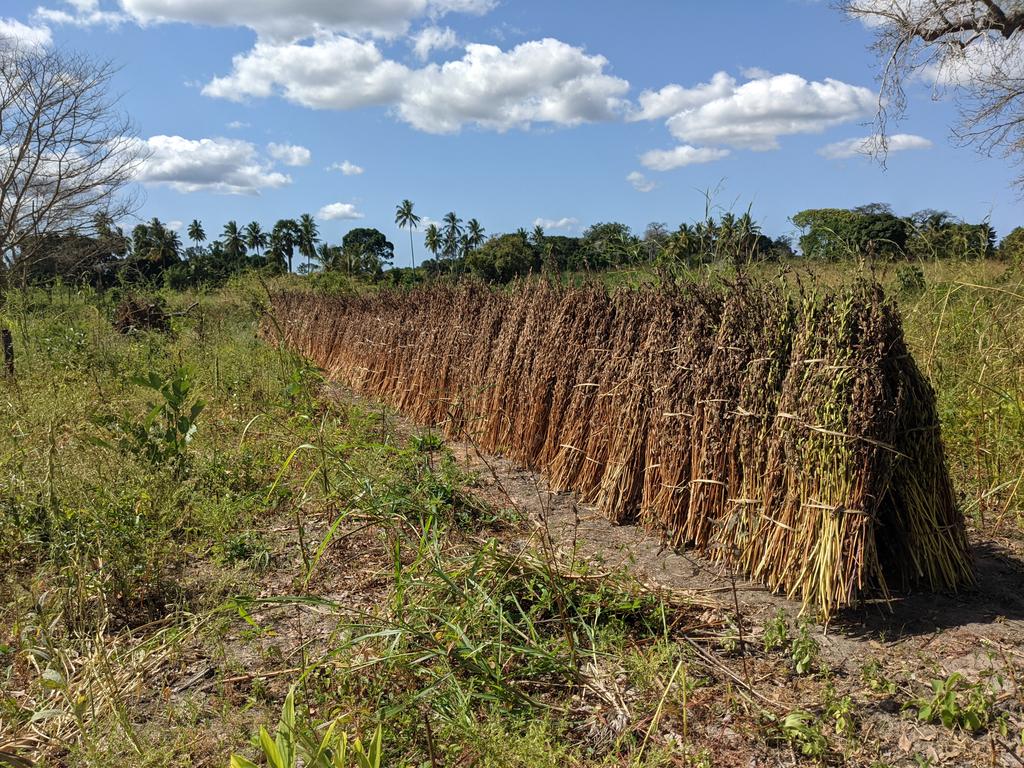
Tanzania entered the 2026/27 season with virtually no significant carry-over stocks, meaning buyers are sourcing freshly harvested sesame rather than old inventories.
Trading activity has been robust since the opening of the marketing season, with competitive bidding across several producing regions. Healthy domestic demand has supported auction prices, while exporters continue assembling cargoes for international shipment.
Although local auction prices provide an important market indicator, international buyers should focus primarily on FOB export offers, as final contract prices are influenced by quality specifications, cleaning standards, packaging requirements, shipment schedules, financing costs, and ocean freight conditions.
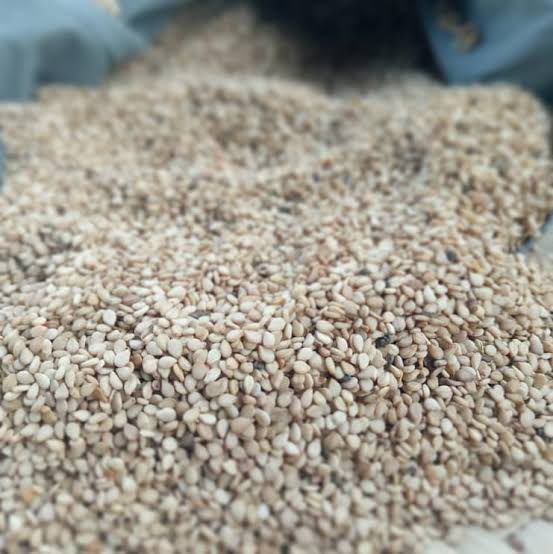
For buyers seeking premium Natural White Sesame, Tanzania continues to offer consistent quality supported by an organized marketing system and licensed export channels.
A Buyer’s Market on the Global Stage
Internationally, the sesame market is considerably more balanced than it was in previous seasons.
Higher production from South American origins, particularly Paraguay, alongside stable output from Brazil and other producing countries, has increased the availability of exportable supplies. The result is a market where buyers have greater leverage during negotiations, especially for standard commercial grades.
This global supply situation is limiting upward pressure on international prices despite firm domestic trading in Tanzania. Exporters are therefore competing not only on product quality but also on logistics efficiency, shipment reliability, and commercial flexibility.
For importers, this creates favorable conditions to negotiate competitive FOB contracts while maintaining access to high-quality East African sesame.
China Remains Important—but No Longer the Sole Price Driver
China continues to be Tanzania’s largest sesame export destination and an important reference point for international trade.
However, unlike some previous seasons, Chinese import demand has started the year at a measured pace, supported by comfortable inventory levels at major receiving ports. This has reduced the likelihood of an early-season buying surge that traditionally tightened global supply and pushed export prices higher.
Rather than relying on Chinese demand alone, Tanzanian exporters are increasingly pursuing diversified sales across multiple regions, creating broader opportunities for buyers in the Middle East, Europe, North Africa, and emerging Asian markets.
Turkey Offers New Commercial Opportunities
One of the most encouraging developments this season is Tanzania’s growing commercial engagement with Turkey.
Government trade initiatives have identified sesame among the country’s products with substantial unrealized export potential into the Turkish market. This has encouraged stronger collaboration between exporters, producers, and trade promotion agencies to improve product quality, strengthen aggregation systems, and expand commercial relationships with Turkish buyers.
For importers serving Turkey’s food processing industry, Tanzania represents an increasingly attractive alternative sourcing origin offering reliable quality and competitive logistics through the Port of Dar es Salaam.
Timing Is Tanzania’s Competitive Advantage
Perhaps Tanzania’s greatest strength lies not only in its product quality but also in when its crop reaches the international market.
Unlike major Northern Hemisphere producers—including Sudan, India, and Myanmar—whose new crops typically arrive later in the year, Tanzania’s harvest becomes available from May onward. This allows international buyers to secure fresh-crop supplies well before additional global production enters the market.
The marketing calendar creates three distinct procurement phases:
- May to Late July: Peak auction activity, with the largest volumes available and the widest supplier selection.
- Late July to August: Final domestic aggregation period as exporters complete purchase programs and prepare shipments.
- July to December: Peak export season, during which most cargoes are loaded and shipped to destination markets worldwide.
For importers, the most advantageous procurement window generally extends through the end of August. Beyond this period, domestic availability begins to tighten as exporters fulfill existing contracts and remaining inventories become increasingly limited.
Logistics Matter More Than Speculation
In the current market, competitive advantage is less about predicting major price rallies and more about executing procurement efficiently.
Importers who define quality specifications early, coordinate shipment schedules with exporters, and secure freight capacity in advance are better positioned to minimize costs and avoid delays during the peak export period.
As global buyers compete for available container space and vessel schedules, well-planned logistics can be just as important as negotiating the purchase price itself.
Looking Ahead
While this season presents immediate commercial opportunities, Tanzania is also investing in the long-term competitiveness of its sesame industry. Ongoing efforts to strengthen seed systems, improve agricultural productivity, and promote higher-quality varieties are expected to enhance future export performance and reinforce the country’s position as a reliable supplier to global markets.
Combined with established export infrastructure, experienced exporters, and increasing market diversification, these developments continue to strengthen Tanzania’s reputation as one of Africa’s leading sesame origins.
Buyer’s Outlook
The 2026/27 season offers international buyers a well-balanced procurement environment. Global supply remains ample, limiting the likelihood of sharp price increases in the short term, while Tanzania continues to provide fresh-crop availability, dependable export channels, and access to premium natural white sesame.
For buyers planning shipments during the second half of the year, the message is straightforward: the best opportunities are available now. Engaging with exporters during the active marketing season provides greater flexibility in quality selection, shipment scheduling, and commercial negotiations before domestic supplies tighten and procurement options become more limited.
As the season progresses, the market is expected to remain driven by fundamentals rather than speculation. Buyers who combine timely procurement with efficient logistics will be best positioned to secure competitive supplies from one of East Africa’s most important sesame-producing countries.