
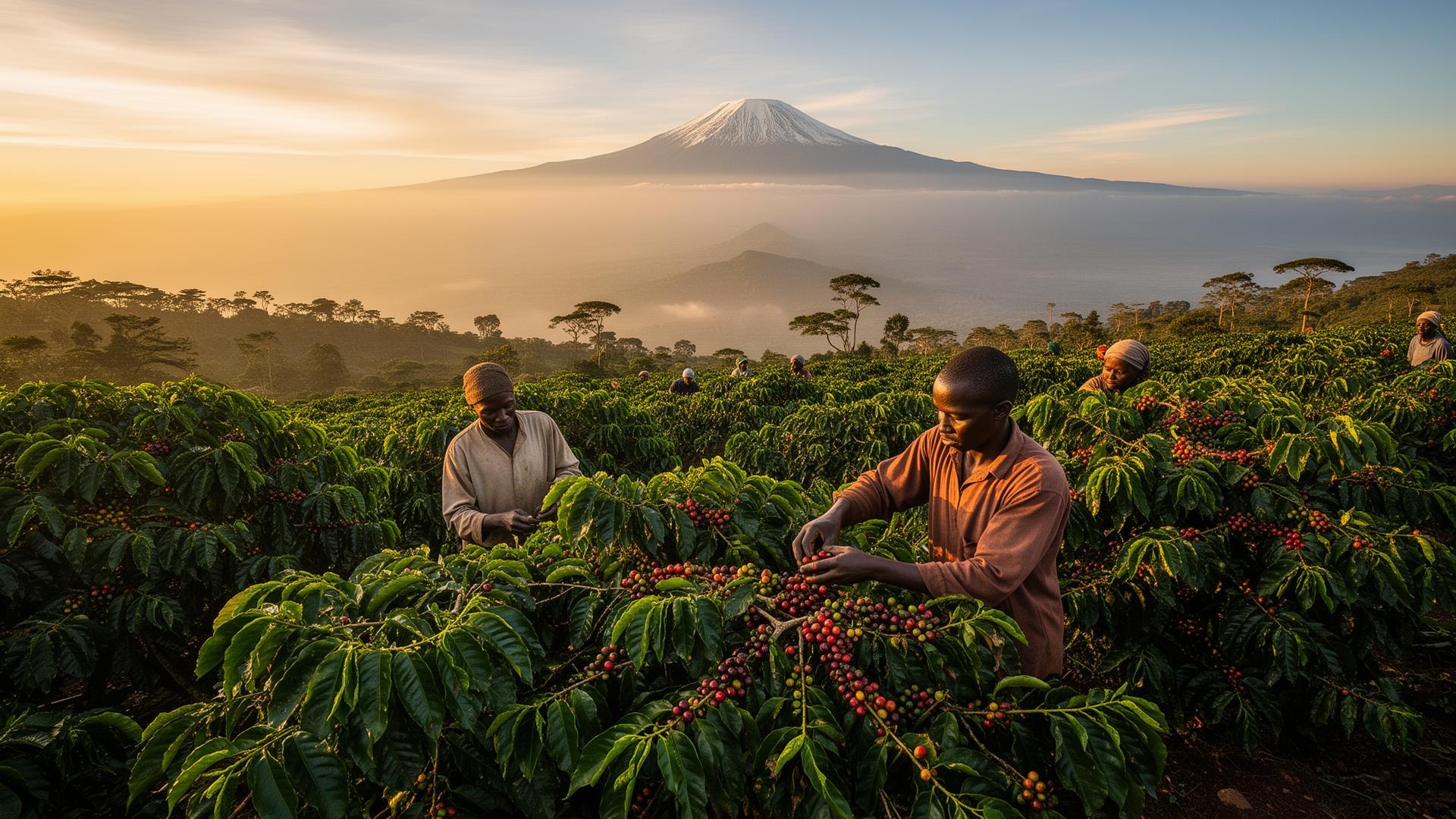
Discover how Tanzania’s unique terroir, sustainable farming practices, and community-focused approach make its coffee the gold standard for environmentally aware consumers.
The Perfect Storm of Flavor and Sustainability
When it comes to coffee that delivers both exceptional taste and environmental responsibility, Tanzania stands in a league of its own. From the lush highlands to the shores of Lake Victoria, Tanzanian coffee farms benefit from some of the most pristine growing conditions on Earth.
A Legacy of Shade-Grown Excellence
Unlike mass-produced coffee that strips forests bare, Tanzanian coffee has been traditionally grown under the canopy of indigenous shade trees. This centuries-old practice doesn’t just produce better-tasting beans—it creates thriving ecosystems where birds, insects, and native plants flourish alongside coffee plants.
“Our coffee grows as nature intended—slowly, patiently, in harmony with the forest.” — Local farmer from the Mbeya region
The Carbon Footprint Advantage
Tanzanian smallholder farms, which produce over 90% of the country’s coffee, operate with remarkably low carbon footprints. Without heavy machinery or synthetic inputs, these family-run operations rely on:
- Natural composting from organic matter
- Manual harvesting that protects delicate cherries
- Sun-drying methods that require no fossil fuels
- Intercropping systems that maintain soil health
Taste That Tells a Story
For the discerning foodie, Tanzanian coffee offers flavor profiles that simply cannot be replicated elsewhere:
Tanzanian Peaberry: Bright, wine-like acidity with hints of blackcurrant and a chocolate finish. High-altitude terroir imparts mineral complexity that sommeliers compare to fine Burgundy wines.
Southern Highlands AA: Full-bodied with notes of citrus, brown sugar, and a clean, lingering finish. Perfect for those who appreciate nuance without bitterness.
Fair Trade, Real Impact
When you choose Tanzanian coffee, your purchase directly supports:
- Over 400,000 smallholder farming families
- Women’s cooperatives that reinvest in education
- Community health clinics in remote regions
- Environmental conservation programs
How to Identify Authentic Tanzanian Coffee
Look for these markers of quality:
- Origin certification from recognized Tanzanian coffee boards
- Grade indicators (AA, A, PB for Peaberry)
- Processing method (washed vs. natural)
- Roast date — freshness matters immensely
The Verdict
For eco-conscious foodies seeking coffee that aligns with their values without compromising on taste, Tanzania offers an unparalleled choice. Every cup represents a vote for sustainable agriculture, fair wages, and the preservation of one of Africa’s most biodiverse regions.
Ready to taste the difference? Explore our selection of single-origin Tanzanian coffees, ethically sourced directly from the farmers who know these beans best.