

Market Intelligence: What is shifting in Tanzania’s Grain & Legume Sectors This June
As the 2026/27 marketing year swings into full gear, the Tanzanian agricultural commodities landscape is experiencing a massive wave of structural and seasonal shifts. For modern trading firms like us, navigating the current climate requires balancing a booming domestic grain harvest against highly volatile international legume markets.
From the trading floors of Dar es Salaam to regional border posts, here is the macro intelligence shaping the market this month.
1. The Maize Market: Record Surpluses vs. Future Tightening
The big headline this month is supply volume. Backed by the ongoing main harvest reaching key distribution hubs, regional market assessments project that Tanzania is heading toward a massive maize surplus of roughly 1 million metric tonnes.
To keep a floor under consumer food inflation, the National Food Reserve Agency (NFRA) actively injected over 32,000 tonnes of maize into the local market recently, stabilizing grain prices. As of April 2026, the NFRA maintained a robust strategic cushion of 500,962 tonnes of grain stocks.over the next few weeks as the peak harvest saturates the market.
The Long Game: Forward-thinking traders should look beyond the immediate harvest window. The latest USDA Grain and Feed Annual report projects a potential 3% decline in Tanzania’s total maize production later in the 2026/27 marketing year due to localized weather anomalies. While supplies are flush right now, the market is expected to tighten significantly toward late 2026 and early 2027, creating a strong upside for stored grain values later in the season. 
Tanzania’s ongoing main harvest is driving a projected 1 million metric tonne maize surplus this season.
2. Infrastructure: The TZS 1.2 Trillion Storage Revolution
Operating efficiency in Tanzanian grain logistics is about to receive a historic upgrade. The government has committed an unprecedented TZS 1.2 trillion toward expanding and rehabilitating NFRA storage facilities and warehouses.
For private traders and exporters, this infrastructure push is a massive net positive. It directly tackles the country’s historic post-harvest loss margins and lays the foundational plumbing for a highly structured, reliable grain trading network.
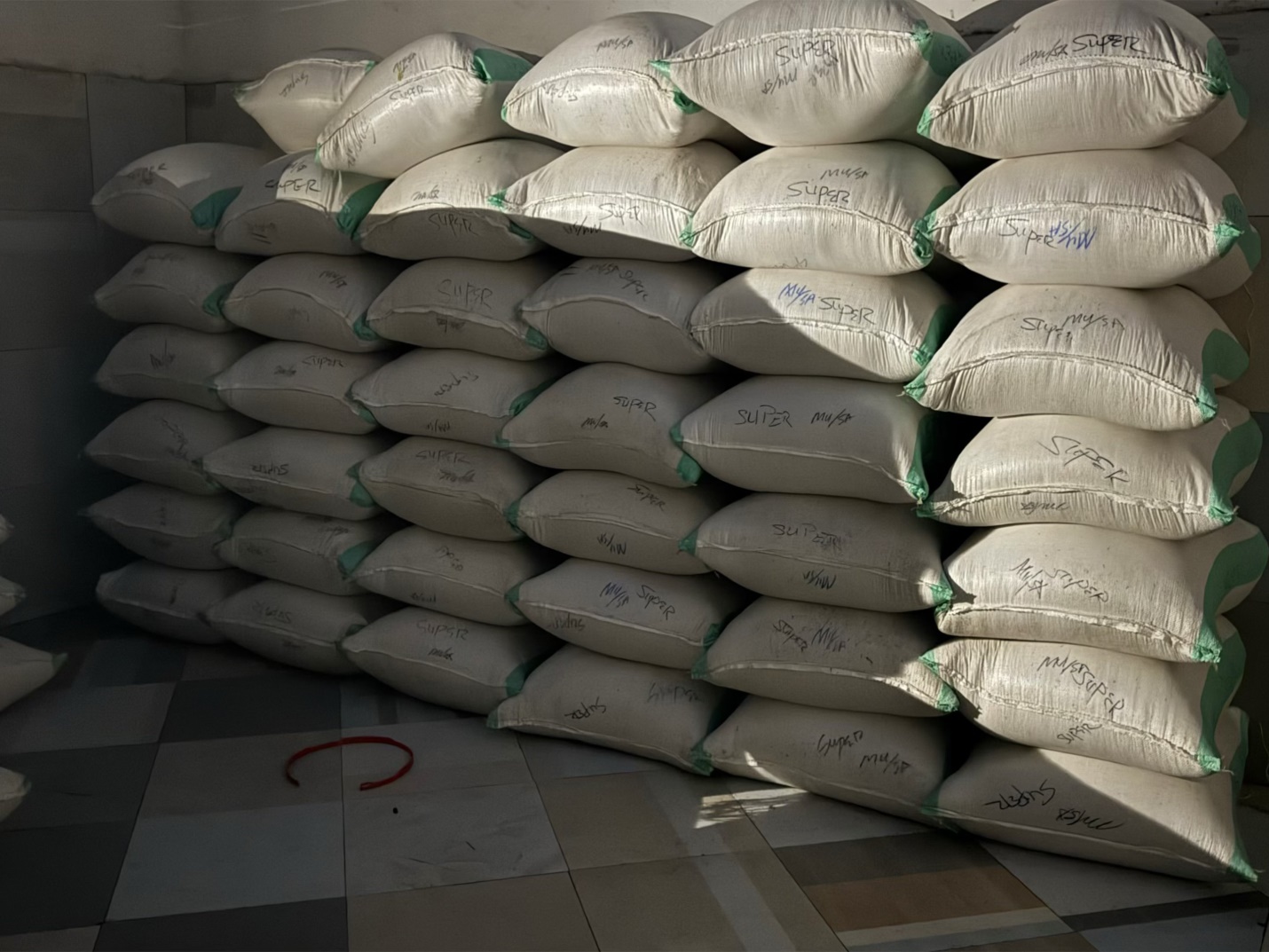
Strategic investments in modern warehouse infrastructure are essential for minimizing post-harvest losses and optimizing trading networks
3. Legumes: The Pigeon Pea Divergence
While grains are thriving, the legume desk faces a completely different reality. Pigeon peas are under intense downward price pressure.
A combination of global oversupply and shifting import policy shifts out of India—Tanzania’s primary destination market—has left local prices depressed. However, seasoned exporters view this under-pressure market not as a crisis, but as a strategic entry point. The current low-price environment offers an excellent window for contrarian aggregators to secure clean cargo at low cost, betting on long-term international demand recovery.
The Strategic Takeaway for Traders
| Commodity | Current Status | Actionable Insight |
|---|---|---|
| Maize & Beans |
High surplus, softening prices |
Ideal window for volume accumulation; focus on heavy regional export corridors like Kenya, South Sudan, DRC, Zambia, and Malawi. |
| Pigeon Peas |
Heavily pressured |
A buyers’ market. Aggressive pricing at the farm gate offers long-term export arbitrage opportunities if held strategically. |

A buyer’s market: Shifting export dynamics present unique long-term accumulation opportunities for pigeon peas.
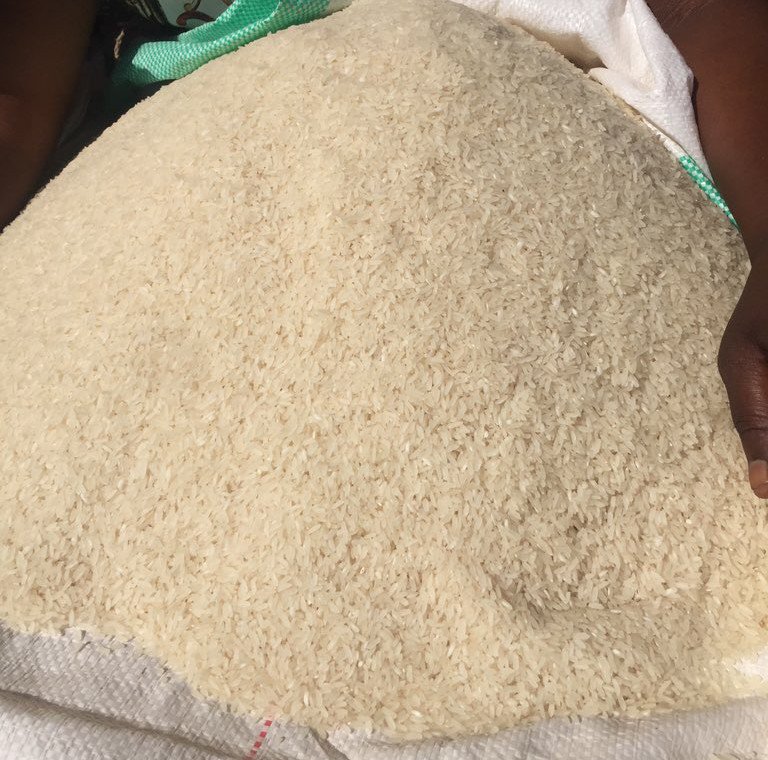
The theme for June 2026 is clear: capitalize on liquidity. Secure volume during the peak of this 1-million-tonne maize surplus, exploit regional export routes where demand remains fiercely resilient, and carefully accumulate undervalued legumes while the broader market hesitates.
