
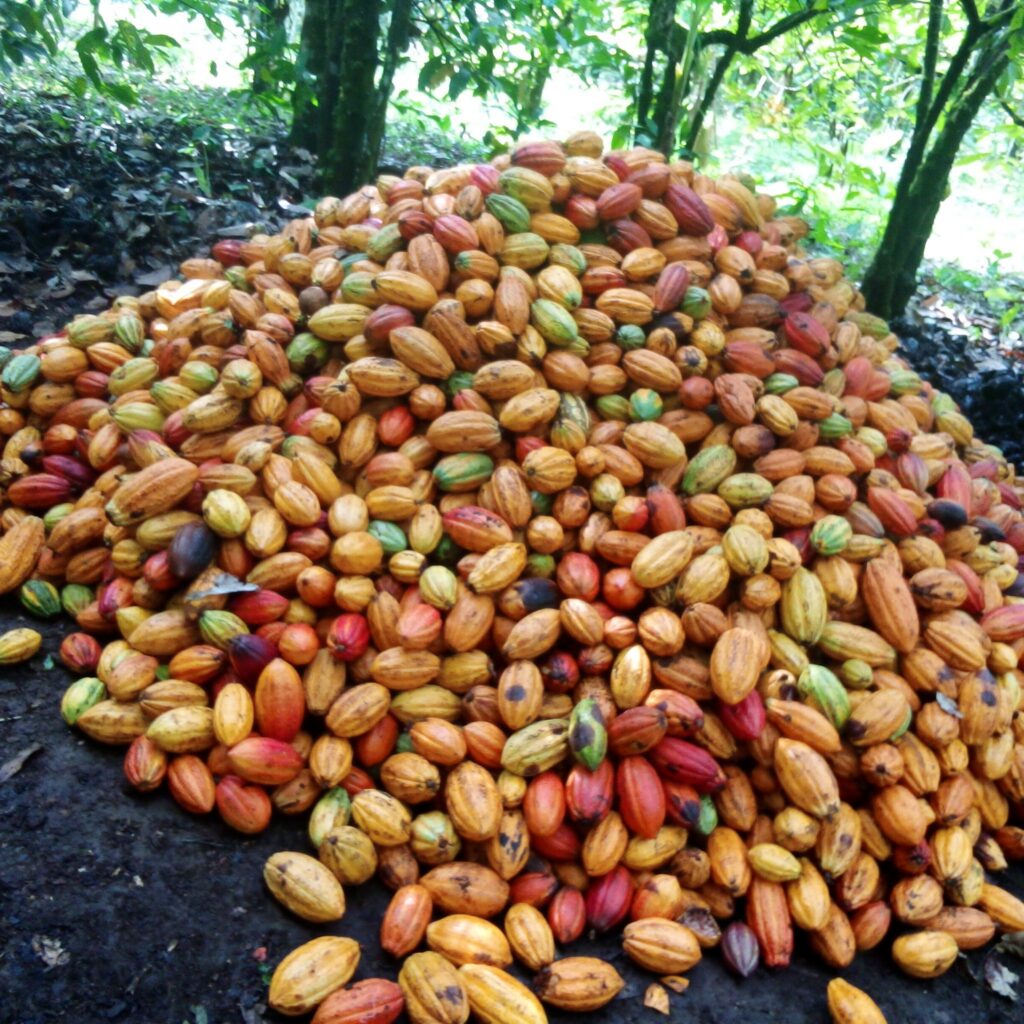
Market Intelligence: Navigating Tanzania’s Cocoa Boom This June
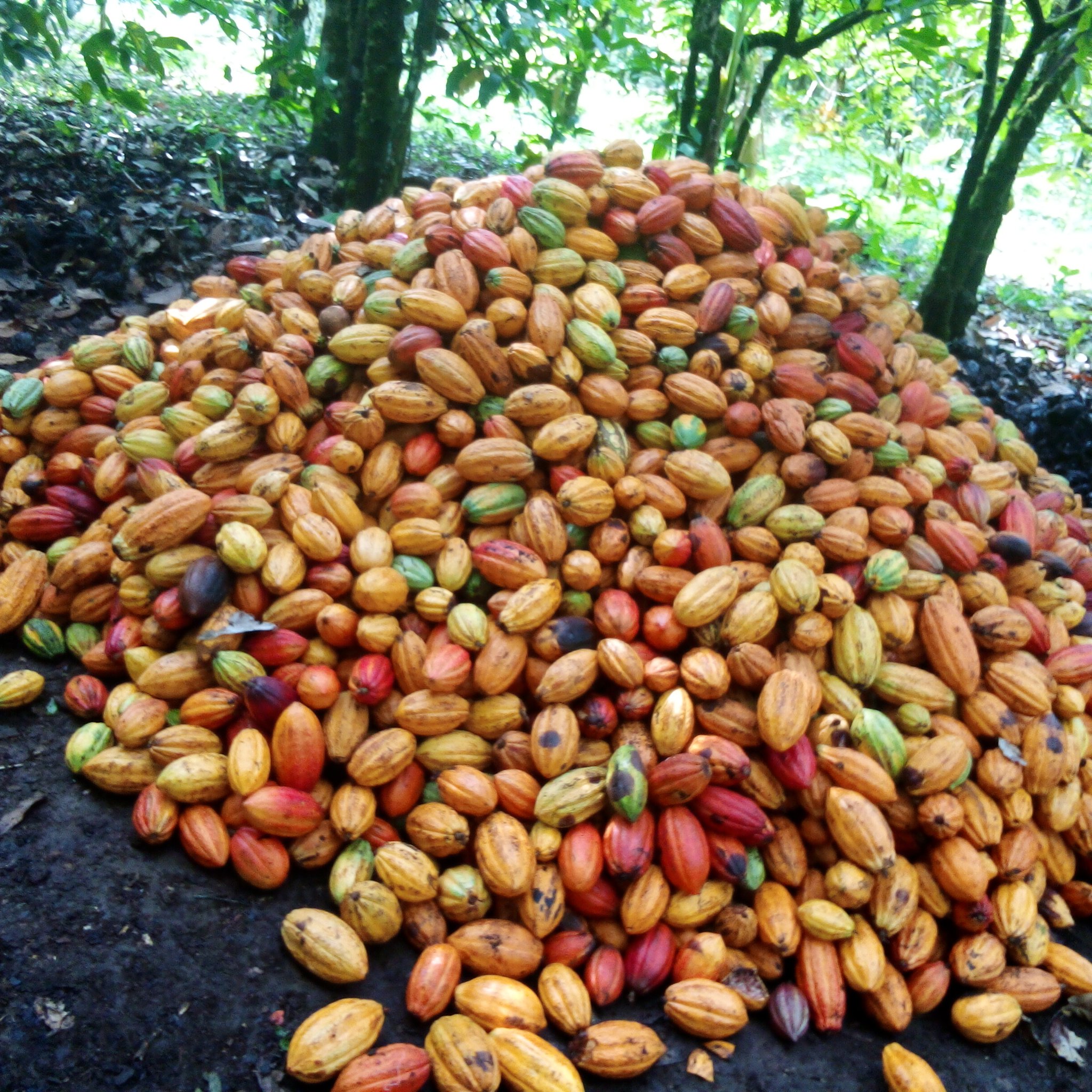
While traditional grains settle into a comfortable peak-harvest surplus, Tanzania’s cocoa desk is currently operating in an entirely different stratosphere. Driven by systemic global shortages and real-time digital market transformations at home, raw cocoa beans have evolved into one of the highest-yielding cash engines in East African agriculture.
From the latest digital auction logs of the Tanzania Mercantile Exchange (TMX) to the processing storehouses of our key growing blocks, here is the macro intelligence shaping the cocoa trade this month.
1. The Auction Pulse: Real-Time Transparency via TMX OTS
The rollout of the TMX Online Trading System (OTS) has permanently fundamentally altered the local aggregation landscape. By forcing buyers to bid transparently in real-time digital rooms, farmgate values have hit historic highs.
- The Regional Flow: Recent live TMX trade sessions across major clusters—particularly out of the Mbeya, Morogoro (Mvomero), and Tanga (Muheza) corridors—confirm an exceptionally fierce competitive environment.
- The Price Matrix: Backed by global supply deficits, export unit values for premium Tanzanian cocoa beans are holding strong at a remarkable average benchmark of USD $7.30 per kg (approximately TZS 17,300+ per kg). This marks an incredible multi-season surge that has completely liberated smallholders from debt cycles historically dictated by predatory middlemen.
2. Supply Architecture: Rising Volumes and Organic Premiums
Tanzania’s annual cocoa production is moving smoothly toward an estimated 16,160 metric tons for the 2026 cycle, expanding at a steady year-on-year clip.
- The Low-Input Advantage: Regions like Muheza and Kyela utilize traditional, low-input intercropping methods (frequently paired with banana trees). Because these trees are naturally cultivated with minimal chemical fertilizers, international specialty chocolatiers are bidding aggressively to lock down these clean, premium lots.
- The Export Matrix: Currently, 90% of local production is exported as raw, dried green beans. The dominant trade routes are heavily anchored in Asia and Europe, led by major processing hubs in Indonesia, Malaysia, and the Netherlands.
⚠️ The Fermentation & Drying Trap: While the financial upside is historic, raw bean processing remains a major point of friction. The onset of erratic, unseasonal rain spells across Kyela and Mlimba raises the risk of fungal rot and black pod disease if beans are not meticulously fermented and dried to standard moisture specifications before arrival at AMCOS warehouses.
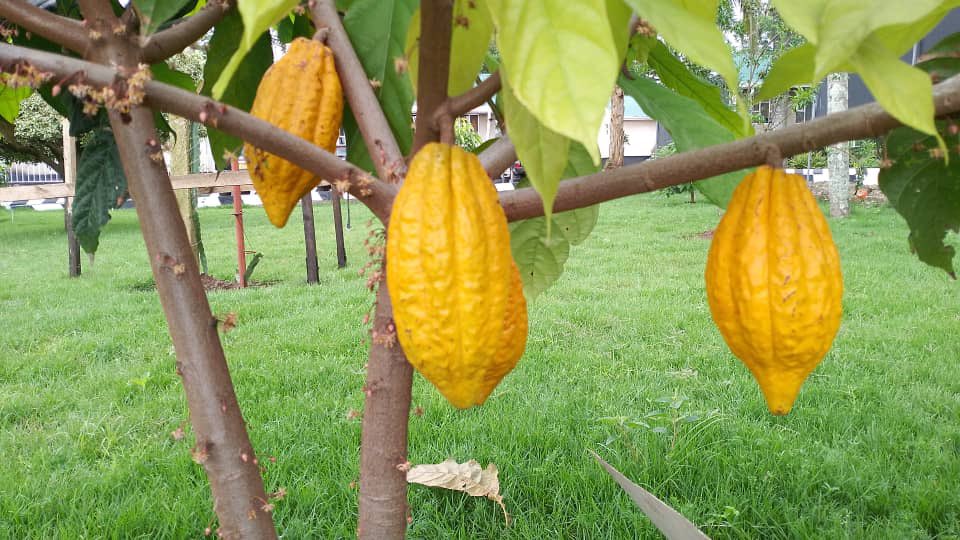
The June 2026 Cocoa Desk Dashboard
| Commodity Segment | Current Market Status | Strategic Execution for Agile Desks |
|---|---|---|
| Raw Organic Beans (TMX Auctions) |
Strongly Bullish (Export unit values hovering around ~$7.30/kg). |
Position liquidity directly at primary AMCOS collection points in Tanga (Muheza) and Mbeya. Ensure rapid cash clearing to secure high-grade, premium traceable lots. |
| Specialty Micro-Lots |
High Global Demand from European Artisans. |
Establish strict quality-control protocols during the fermentation and sun-drying phases to maximize bean count and flavor scores, fetching top-tier premiums. |
| Domestic Processing Assets |
Highly Restricted (Less than 10% local value addition). |
For long-range planners, small-scale local roasting and paste production present massive domestic and regional tax-incentivized arbitrage opportunities. |
The Executive Takeaway
The theme for the cocoa desk this season is uncompromising quality assurance. In an environment where global buyers are paying premium dollars for raw beans, the trading desks that win will be those that actively partner with well-governed agricultural marketing cooperative societies (AMCOS) to safeguard strict drying standards. Secure your volume early on the TMX platform, manage moisture margins aggressively, and leverage the international West African crunch to maximize your export margins.
This live broadcasting link from the Tanzania Mercantile Exchange showcases a real-time online cocoa bidding session out of Mbeya, capturing the exact transparency, pricing dynamics, and digital competitiveness shaping the local sector.
